Azərbaycan
  Русский
 Flame detectors
Multi-spectrum IR (X3301), hydrogen flame (X3302), UV/IR (X5200), single-frequency IR (X9800) and UV (X2200) detectors for process areas, tank farms, turbines and hangars.
Det-Tronics flame detectors, gas detectors and SIL 2 capable fire and gas systems — supplied, installed, commissioned and calibrated in Baku for oil, gas and petrochemical facilities across Azerbaijan.
 Supply · Installation · Service in Azerbaijan
Det-Tronics has built detection equipment for hazardous industrial sites since 1973, and its detectors are named in the specifications of many oil, gas and petrochemical facilities. For an operator in Azerbaijan the question is rarely whether the equipment is good. It is whether someone nearby can choose the right model, install it correctly in a hazardous area, keep it calibrated and have a spare on the shelf when a detector fails during a turnaround.
ZE-Tronics does that work from Baku. We supply Det-Tronics equipment, engineer it into complete fire and gas systems, install and commission it, and look after it for the life of the plant.
Flame detection is where Det-Tronics is best known. The range covers the main sensing technologies, and each one has a place:
Choosing between them is covered in more depth in our guide to flame detector types.
A single technology rarely covers a process plant. PointWatch Eclipse point infrared detectors measure hydrocarbon concentration where gas is likely to collect, and need no oxygen to work. FlexSight LS2000 open-path detectors watch a line across a process area or along a fence line. FlexSonic acoustic detectors respond to the sound of a high-pressure leak, which matters on windy offshore and onshore decks where the gas may disperse before it reaches any sensor. For hydrogen sulphide and other toxic gases, the GT3000 series completes the picture.
Eagle Quantum Premier (EQP) connects detectors, manual call points, notification devices and releasing outputs on one safety network, with SIL 2 capability for safety instrumented functions. We configure the controller, write and test the cause-and-effect logic, and build the interface to the plant DCS or ESD system through our SCADA and DCS integration team.
Det-Tronics equipment is used across oil and gas, petrochemical and power generation sites. If you have a model number, a detector layout or only a description of the area, send it to us and an engineer will reply within one business day.
Multi-spectrum IR (X3301), hydrogen flame (X3302), UV/IR (X5200), single-frequency IR (X9800) and UV (X2200) detectors for process areas, tank farms, turbines and hangars.
PointWatch Eclipse point infrared detectors and FlexSight LS2000 open-path infrared detectors for hydrocarbon releases.
FlexSonic acoustic detectors that hear high-pressure gas leaks in open, windy areas where a gas cloud may never reach a point sensor.
GT3000 series detectors for hydrogen sulphide and other toxic gases, including sour-service areas.
Explosion-proof SmokeWatch smoke detectors and heat detectors for enclosed rooms inside a hazardous area.
Eagle Quantum Premier (EQP) controllers and field I/O, SIL 2 capable, for detection, alarm and releasing in one certified system.
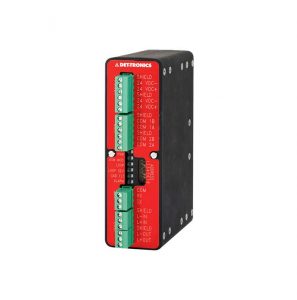 Addressable Smoke Module (ASM)
Details
Addressable Smoke Module (ASM)
Details
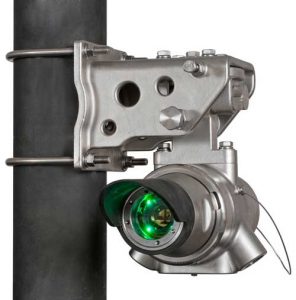 FlexSight™ LS2000 Line-of-Sight (LOS) Infrared Hydrocarbon Gas Detector
Details
FlexSight™ LS2000 Line-of-Sight (LOS) Infrared Hydrocarbon Gas Detector
Details
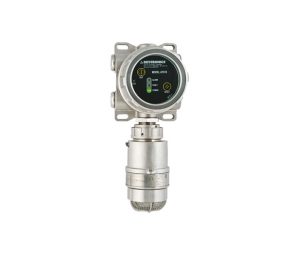 FlexSonic® Acoustic Gas Leak Detector
Details
FlexSonic® Acoustic Gas Leak Detector
Details
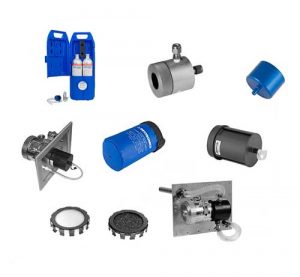 Gas Detector Accessories and Spares
Details
Gas Detector Accessories and Spares
Details
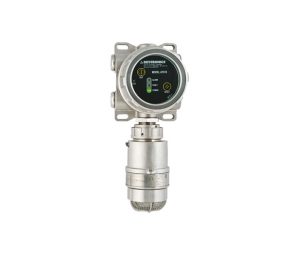 GT3000 Toxic Gas Detector
Details
GT3000 Toxic Gas Detector
Details
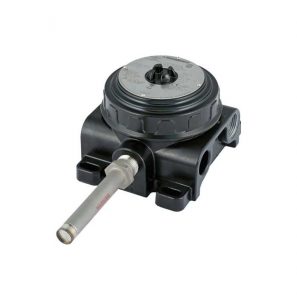 Heat/Risk Area Detector (Model HD)
Details
Heat/Risk Area Detector (Model HD)
Details
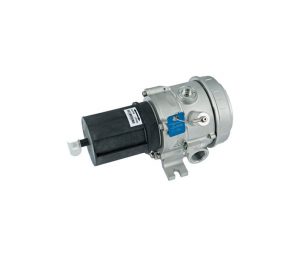 PointWatch Eclipse® PIRECL Infrared Gas Detector
Details
PointWatch Eclipse® PIRECL Infrared Gas Detector
Details
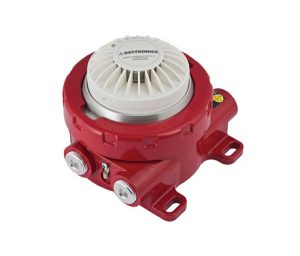 SmokeWatch™ Explosion-Proof Smoke Detector (U5015)
Details
SmokeWatch™ Explosion-Proof Smoke Detector (U5015)
Details
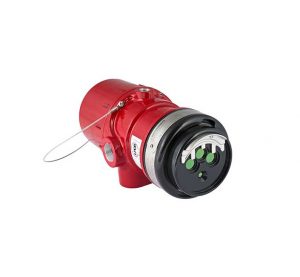 X3301 Multispectrum Infrared (IR) Flame Detector
Details
X3301 Multispectrum Infrared (IR) Flame Detector
Details
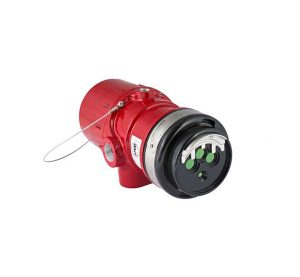 X3302 Multispectrum Infrared (IR) Hydrogen Flame Detector
Details
X3302 Multispectrum Infrared (IR) Hydrogen Flame Detector
Details
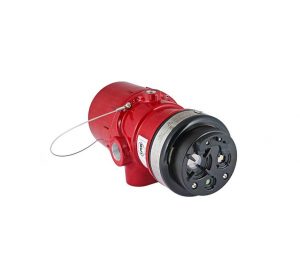 X5200 Ultraviolet Infrared Flame Detector
Details
X5200 Ultraviolet Infrared Flame Detector
Details
Fire and gas systems fail at the handover points between vendors. We own every step, so there are none.
Yes. ZE-Tronics supplies original Det-Tronics detectors, controllers and spares in Azerbaijan, with certificates and documentation for your project file. Frequently used items are held in stock in Baku and London, which shortens lead times for shutdowns and urgent replacements.
It depends on the fuel, the distance, and what else the detector will see. Multi-spectrum IR (X3301) is the usual choice for hydrocarbon fires at long range, X3302 is designed for hydrogen fires, and UV/IR (X5200) suits fast-developing fires where false alarm sources are controlled. We make the choice with you against the area and the fire scenario.
Yes. We calibrate fixed and portable gas detectors in our own laboratory, accredited to AZS ISO/IEC 17025:2020, and carry out field calibration and bump tests on site. Each calibration is documented with traceable results.
Yes. Eagle Quantum Premier and individual detectors provide relay, 4-20 mA, HART and Modbus options depending on model. We design the interface so the fire and gas system stays independent while the control system receives status and alarms.
We assess existing units, carry out repairs within our electronics repair capability where appropriate, and plan like-for-like or upgraded replacements where a model has reached end of life.
Send us a model number, a datasheet or an equipment list. Our engineers reply within one business day.
Contact a safety engineer