Azərbaycan
  Русский
 Hangar flame detection
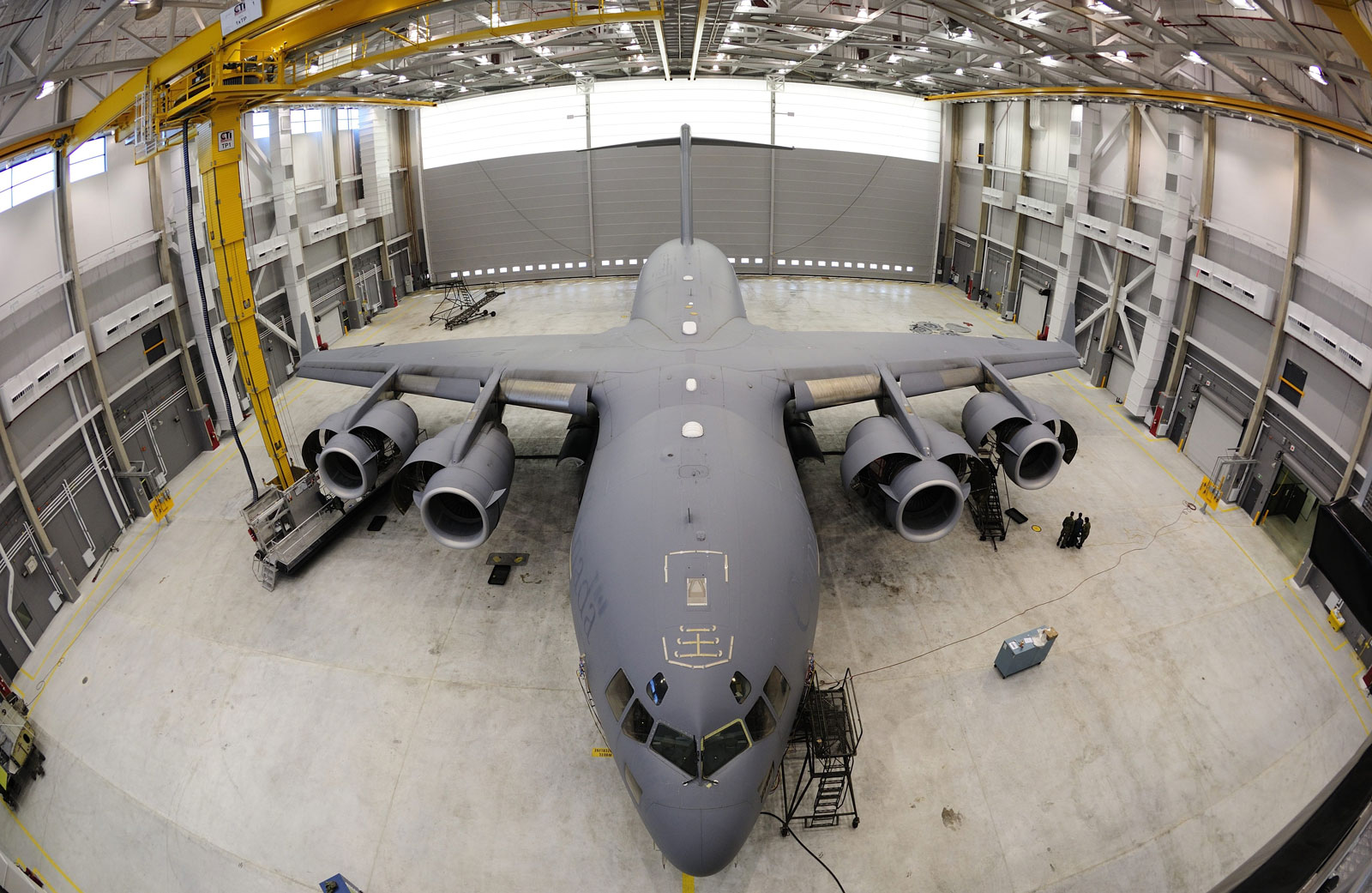
Multispectrum IR detectors positioned to see under wings and fuselage, immune to sunlight and hot exhausts at open doors.
Aircraft hangars, maintenance bases and defense production sites combine very high asset values, large open spaces and hazards that develop in seconds. ZE-Tronics engineers flame detection, alarm and suppression control that respond fast and stay quiet when nothing is wrong.
 Industry
Aerospace and defense facilities protect assets that are extremely expensive, hard to replace and often mission-critical: aircraft, engines, avionics, munitions and the buildings that house them. ZE-Tronics provides specialised flame detection, fire and gas safety, alarm control and suppression integration for these environments — from large aircraft hangars and maintenance bases to defense production and storage sites.
Our work is engineering-led: we study the space and the hazard, select detection that is fast without being nervous, and connect it to the suppression and alarm systems so that the whole chain behaves correctly when it matters.
Hangar fire protection is technically demanding. The main difficulties are well known across the industry:
| Challenge | Why it matters | How we address it |
|---|---|---|
| Very large floor area and height | Smoke and heat dilute before they reach ceiling detectors. | Optical flame detectors that see the fire directly across the floor. |
| Obstructions | Wings, fuselage, stands and equipment create shadows. | Coverage mapping with the largest aircraft in its parking positions; detectors at more than one height where needed. |
| Open hangar doors | Sunlight, reflections, vehicle lights and hot engine exhausts outside are visible to detectors. | Multispectrum IR detectors with proven false-alarm immunity and carefully chosen viewing angles. |
| Electromagnetic interference | Avionics, radar and ground power generate strong electrical noise. | Detectors and wiring with appropriate EMC performance, correct screening and earthing. |
| Speed | A spill fire under an aircraft can damage the structure within seconds. | Direct flame detection and a short, tested path from detection to release. |
We typically specify multispectrum infrared detectors such as the Det-Tronics X3301, with UV/IR detectors where the application calls for them. Detection is connected to a fire and life-safety controller that releases high-expansion foam, low-level foam or deluge systems, drives e2S sounders and beacons, and reports to the building and airfield systems.
Facilities producing or processing propellants, explosives, pyrotechnic materials and similar energetic products can require exceptionally fast flame detection and automatic releasing systems. Det-Tronics classifies high-speed systems as responding in no more than 500 milliseconds and ultra-high-speed systems in no more than 100 milliseconds for these applications. Reaching those figures depends on the detector, the releasing controller and the valve being engineered and tested together — which is why we treat them as one system rather than a list of components.
Storage and technical areas on defense sites add their own needs: early smoke detection for control and data rooms (see our Securiton aspirating systems), gaseous suppression for electrical rooms, and fire alarm systems from manufacturers such as Autronica and Kidde.
The owner’s specification, insurer requirements and local fire-safety rules define the final design basis.
We follow the same lifecycle as on our oil and gas projects: risk review and concept design, detailed engineering, certified equipment supply, installation and commissioning, calibration and long-term maintenance. Our Baku team includes CompEx-certified technicians, an electronics repair laboratory and a stock of critical spares in Baku and London.
A missed fire in a hangar can destroy an aircraft; an unwanted foam discharge can ground it for days. We balance both risks: detector coverage is mapped around the aircraft, false-alarm sources are identified before equipment is chosen, release logic is agreed with the fire authority and the operator, and every function is proven during commissioning.
Multispectrum IR detectors positioned to see under wings and fuselage, immune to sunlight and hot exhausts at open doors.
Detection-to-release logic for high-expansion foam, low-level foam and deluge, with abort and manual controls.
Optical detection with fast releasing systems for energetic-material processing areas.
Ex-certified detectors and alarm devices for fuel, paint and solvent areas.
Sounders, beacons and voice alarm that remain clear over engine and hangar noise.
Functional testing, detector cleaning and calibration, spares and electronics repair in Baku.
NFPA 409, the Standard on Aircraft Hangars, is the most widely used reference. Depending on the owner, FM Global Data Sheet 7-93 or UFC 4-211-01 for military hangars may also apply, together with NFPA 72 for alarm systems and the foam and water-spray standards for the suppression system.
Hangars are tall and open, so smoke is diluted and stratifies before it reaches the roof. A fuel fire under an aircraft must be detected in seconds. Multispectrum infrared flame detectors see the fire directly across the floor and can be set to ignore sunlight, lighting and hot engine parts.
By choosing detectors with proven false-alarm immunity, mapping their coverage around the aircraft, using confirmation logic between detectors, adding abort and manual release stations, and testing the full sequence before handover. Maintenance keeps detector windows clean and settings unchanged.
For energetic-material manufacturing, Det-Tronics describes high-speed systems as responding in no more than 500 milliseconds and ultra-high-speed systems in no more than 100 milliseconds, measured from exposure to water flow. Achieving this depends on the detector, the releasing controller and the deluge valve working as one listed system.
Yes. We survey the installed system, check coverage and compliance against the current standard, and plan upgrades that keep the facility protected throughout the work.