Azərbaycan
  Русский
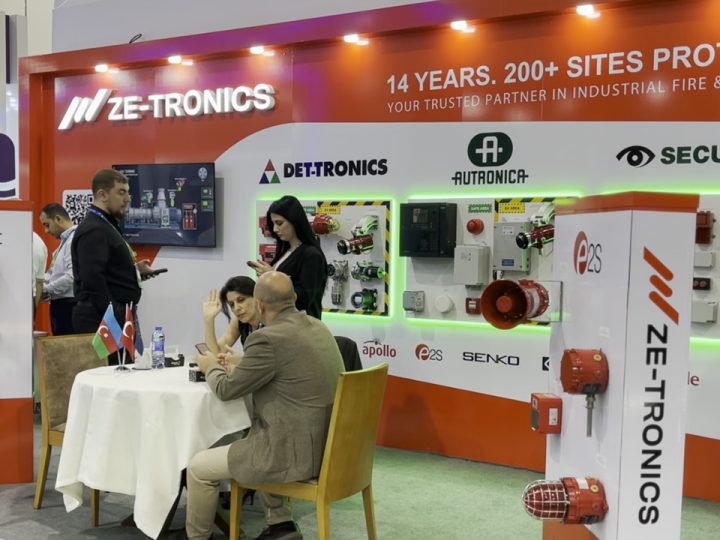
 ZE-Tronics — Fire and Gas System Integrators in Azerbaijan
Introduction to Fire and Gas Systems
Fire and gas systems are critical components in ensuring safety and compliance in the oil and gas industry. In Azerbaijan, a nation rich in hydrocarbon resources, the integration of these systems has become essential due to the increased activity in oil extraction and processing. This article delves into the various aspects of fire and gas systems, their importance in Azerbaijan, the major integrators, technologies involved, and the industry’s safety landscape.
The significance of fire and gas systems cannot be overstated. They serve to detect and mitigate hazardous situations that may arise during oil and gas operations. By implementing effective fire and gas detection technologies and integrating them with safety systems, businesses can protect not only their assets but also the lives of their employees and the environment. The integration of these systems has allowed Azerbaijan to enhance its safety protocols in line with international standards.
Fire and Gas System Integrators in Azerbaijan
Role of Integrators in Safety Implementation
Fire and gas system integrators play a pivotal role in the implementation of safety protocols across Azerbaijan’s oil and gas sector. They are responsible for designing, installing, and maintaining advanced detection systems that ensure rapid response to any fire or gas leak incidents. This involves a comprehensive understanding of the specific needs of each facility and tailoring solutions that meet or exceed regulatory standards.
Integrators also provide essential training to personnel, ensuring that they are well-versed in operating the systems effectively. Regular maintenance and updates to these systems are critical, as they not only enhance performance but also ensure compliance with evolving safety regulations. Furthermore, integrators are often involved in the continuous assessment of risks and updating safety measures as new technologies become available.
Leading Integrators in the Region
Azerbaijan is home to several leading fire and gas system integrators, each contributing to the industry’s safety landscape. Some of the prominent names include companies like Azpetrol, Petroleum Safety Services, and Firewatch. These companies have carved out a reputation for excellence in the design and implementation of safety systems, drawing on international best practices while adapting them to local requirements.
These integrators not only focus on the immediate needs of fire and gas detection but also on long-term partnerships with their clients. By fostering collaborative relationships, they ensure that safety remains a top priority throughout the lifecycle of oil and gas operations in Azerbaijan.
Oil and Gas Safety Systems in Azerbaijan
Regulatory Framework and Compliance
The regulatory framework governing fire and gas systems in Azerbaijan is robust, aligning with international standards to ensure the utmost safety in oil and gas operations. The government, in collaboration with international organizations, has established guidelines and regulations that dictate the design, installation, and maintenance of these systems.
Compliance with these regulations is non-negotiable, and companies must undergo regular audits to ensure adherence. Failure to comply can result in severe penalties, including fines, operational shutdowns, and legal liabilities. This regulatory vigilance promotes a culture of safety within the industry, pushing companies to prioritize the integration of fire and gas systems as part of their operational strategy.
Common Safety Practices
In Azerbaijan, common safety practices include routine inspections and testing of fire and gas systems, comprehensive training programs for employees, and the establishment of emergency response plans. These practices are vital in ensuring that all personnel are prepared for any potential incidents.
Moreover, companies often engage in simulation exercises to prepare their teams for real-life emergencies, enhancing their ability to respond effectively. The integration of advanced technologies, such as real-time monitoring and data analytics, further strengthens safety practices by providing actionable insights into system performance and potential risks.
Fire and Gas Detection Technologies
Types of Fire and Gas Detectors
Fire and gas detection technologies have advanced dramatically over the years, offering a range of solutions tailored to the unique challenges of the oil and gas industry. Common types of detectors include infrared gas detectors, ultrasonic detectors, flame detectors, and photoelectric smoke detectors. Each detector serves a specific purpose, ranging from detecting gas leaks to identifying flames and smoke.
Infrared gas detectors, for instance, are highly effective in monitoring hydrocarbon gases, while flame detectors can differentiate between false alarms caused by sunlight or reflective surfaces. The choice of detector depends on the specific environmental conditions of the facility and the types of hazards present.
Advantages of Advanced Detection Systems
Advanced detection systems offer numerous advantages, including increased reliability, faster response times, and improved accuracy in identifying potential threats. These systems often incorporate machine learning algorithms to enhance their predictive capabilities, allowing for proactive risk management.
Furthermore, modern fire and gas detection systems can integrate seamlessly with other safety systems, such as emergency shutdown systems and alarm notification systems, creating a comprehensive safety network that significantly reduces the risk of catastrophic incidents. The use of advanced technologies also allows for remote monitoring, ensuring that safety personnel can react swiftly, regardless of their location.
Gas Detector Calibration in Azerbaijan
Calibration Importance for Safety
Calibration of gas detectors is a critical process that ensures the accuracy and reliability of detection systems. In Azerbaijan’s oil and gas industry, where the stakes are high, regular calibration is necessary to maintain compliance with safety regulations and to ensure the safety of personnel and the environment.
Inaccurate gas readings can lead to disastrous consequences, including false alarms or, worse, undetected gas leaks. Therefore, establishing a robust calibration routine is essential in preventing such mishaps. This routine typically includes testing detectors against known gas concentrations and adjusting settings to maintain performance standards.
Calibration Standards and Procedures
Calibration standards in Azerbaijan are typically aligned with international guidelines, such as those set by the International Society for Automation (ISA) and the American National Standards Institute (ANSI). These standards dictate the frequency of calibration, the methods to be employed, and the personnel qualifications required.
The calibration process usually involves several steps: initial testing, adjustments, documentation of results, and subsequent verification. Companies often employ certified professionals to carry out this process, ensuring that all calibration procedures are thorough and meet industry standards.
Flame Detector Suppliers in Azerbaijan
Top Flame Detector Suppliers
Azerbaijan’s market for flame detectors includes several reputable suppliers that offer a range of products suited for various industrial applications. Some of the leading flame detector suppliers include Honeywell Analytics, Siemens, and Emerson. These companies not only provide high-quality products but also support installation and maintenance services, ensuring that the systems function optimally over their lifespan.
Choosing the right supplier is critical, as the quality of flame detection can significantly impact safety outcomes. Companies in Azerbaijan often evaluate suppliers based on product specifications, after-sales service, and the supplier’s reputation in the industry.
Selection Criteria for Suppliers
When selecting a flame detector supplier, businesses in Azerbaijan consider several key factors. These include the supplier’s experience in the oil and gas sector, the range of products offered, the technology used in their detectors, and customer support services. Additionally, compliance with international safety standards is a must, as it ensures that the products meet the necessary regulatory requirements.
Furthermore, companies often seek suppliers that can provide tailored solutions to meet their specific needs, as no two facilities are exactly alike. The ability to offer comprehensive training and support for the installed systems can also be a pivotal factor in the selection process.
Industrial Safety Systems in Azerbaijan
Overview of Industrial Safety Systems
Industrial safety systems encompass a wide array of solutions designed to protect personnel, assets, and the environment in hazardous settings. In Azerbaijan’s oil and gas industry, these systems include not only fire and gas detection technologies but also emergency shutdown systems, safety valves, and personal protective equipment.
The integration of these systems ensures a holistic approach to safety, allowing for coordinated responses to emergencies. For instance, when a gas leak is detected, the fire and gas system can trigger an emergency shutdown across the plant, preventing further escalation of the hazard.
Integration with Fire and Gas Systems
Integration between industrial safety systems and fire and gas systems is not just beneficial; it is essential. Effective integration allows for real-time communication between different safety systems, enhancing overall situational awareness. For example, advanced analytics can process data from multiple safety sensors and provide actionable insights to safety personnel.
This coordinated approach also facilitates regulatory compliance, as integrated systems can provide comprehensive logs and reports on safety incidents and responses. By using integrated safety systems, Azerbaijani companies not only enhance their operational efficiency but also significantly reduce the risk of accidents.
Highlighting Oil and Gas Safety Companies in Baku
Top Safety Companies Overview
Baku, as the capital of Azerbaijan, hosts several leading oil and gas safety companies that specialize in fire and gas systems. Companies like Safety First, Azer Safety, and ProSafety have established their presence in the region, offering a wide range of services related to fire and gas safety.
These companies provide services such as risk assessments, system design and installation, training programs, and ongoing maintenance. Their expertise contributes significantly to raising safety standards within the oil and gas sector, ensuring that operations run smoothly without compromising safety.
Services Offered by Leading Companies
The services provided by safety companies in Baku include comprehensive risk assessments to identify potential hazards and vulnerabilities. They also offer tailored training programs for employees, ensuring that all personnel are equipped with the knowledge and skills necessary to respond effectively to emergencies.
Additionally, many of these companies provide ongoing support and maintenance services for installed systems, helping to ensure that safety measures remain effective over time. By leveraging the expertise of these companies, oil and gas operators can enhance their safety protocols and achieve compliance with regulatory requirements.
Fire and Gas Engineering Practices in Azerbaijan
Engineering Standards and Best Practices
Engineering practices related to fire and gas systems in Azerbaijan follow stringent international standards, ensuring that safety measures are effective and reliable. These standards dictate the design criteria for detection systems, installation practices, and maintenance protocols.
Best practices in engineering involve conducting thorough risk assessments, using advanced modeling techniques to simulate potential hazards, and employing cutting-edge technologies to enhance detection capabilities. Companies are encouraged to adopt a proactive approach to safety engineering, continuously evaluating and improving their systems.
Innovations in Fire and Gas Engineering
Recent innovations in fire and gas engineering have led to the development of more sophisticated detection technologies. For instance, the use of artificial intelligence and machine learning in detection systems allows for improved accuracy and faster response times. Additionally, innovations such as wireless detectors and cloud-based monitoring systems are gaining traction in the industry.
These advancements not only enhance safety but also streamline operations, making it easier for companies to monitor their safety systems in real-time. The continuous evolution of technology in this field signifies a commitment to improving safety measures within Azerbaijan’s oil and gas sector.
Det-Tronics Distributor/Integrator in Azerbaijan
Overview of Det-Tronics Products
Det-Tronics is a recognized leader in providing fire and gas safety solutions, with a notable presence in Azerbaijan. Their products include a range of advanced detection systems tailored for the oil and gas industry. Det-Tronics specializes in providing reliable and effective solutions that meet the specific needs of hazardous environments.
Their offerings include gas detectors, flame detectors, and control systems that integrate seamlessly into existing safety infrastructure. By focusing on innovation and safety, Det-Tronics has established itself as a trusted partner for many companies operating in Azerbaijan’s oil and gas sector.
Importance of Local Distribution
Having a local distributor/integrator like Det-Tronics in Azerbaijan is essential for facilitating quick access to their products and services. Local presence means faster response times for installation and maintenance, which is crucial in emergencies. Additionally, local distributors understand the specific regulatory requirements and safety challenges faced by companies in Azerbaijan, allowing for tailored solutions.
Moreover, local support ensures that companies can receive training and technical assistance efficiently, enhancing their operational capabilities. This accessibility to high-quality fire and gas systems contributes significantly to the overall safety culture in the region.
Fireye Flame Detection Solutions in Azerbaijan
Fireye Technologies Overview
Fireye is known for its innovative flame detection solutions, widely utilized in Azerbaijan’s oil and gas industry. Their products, which include infrared and ultraviolet flame detectors, are designed to operate in the most challenging environments, providing reliable detection capabilities.
Fireye’s technology focuses on minimizing false alarms while ensuring rapid response to actual fire incidents. This precision is vital in hazardous environments where even a minor oversight can lead to catastrophic outcomes.
Applications in the Oil and Gas Sector
Fireye’s flame detection solutions find applications across various stages of oil and gas operations, from exploration to refining. Their detectors are deployed in critical areas such as drilling rigs, processing plants, and storage facilities, providing an essential layer of safety.
By utilizing Fireye technologies, companies in Azerbaijan enhance their ability to detect and respond to fire hazards swiftly, significantly reducing the risk of accidents and ensuring compliance with safety regulations.
Conclusion
Future of Fire and Gas Safety in Azerbaijan
The future of fire and gas safety in Azerbaijan looks promising, driven by ongoing advancements in technology and a commitment to enhancing safety practices in the oil and gas industry. As the sector continues to grow, the integration of more sophisticated detection systems and adherence to international safety standards will be critical.
Moreover, the collaboration between local integrators and international suppliers will help foster innovation and improve safety outcomes. By prioritizing safety and investing in advanced technologies, Azerbaijan can continue to build a robust framework for fire and gas safety within its oil and gas operations.
FAQs
What are fire and gas systems?
Fire and gas systems are safety mechanisms designed to detect hazardous situations such as fires and gas leaks in industrial environments, particularly in the oil and gas sector.
Why is calibration important for gas detectors?
Calibration ensures that gas detectors provide accurate readings, which is vital for maintaining safety and compliance with regulations.
What types of detectors are commonly used?
Common types include infrared gas detectors, ultrasonic detectors, flame detectors, and photoelectric smoke detectors, each suited for specific applications.
Who are the leading fire and gas system integrators in Azerbaijan?
Leading integrators include Azpetrol, Petroleum Safety Services, and Firewatch, known for their expertise in safety implementation.
What regulations govern fire and gas safety in Azerbaijan?
Azerbaijan’s regulations align with international standards, focusing on the design, installation, and maintenance of fire and gas safety systems.